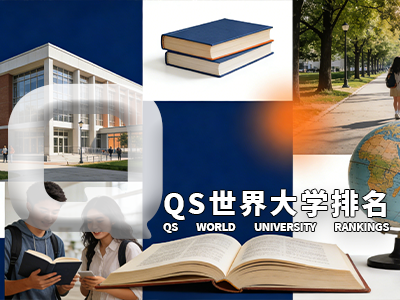
哈萨克斯坦国立医科大学(Kazakh National Medical University)是哈萨克斯坦最顶尖的公立医学院校之一,位于该国最大城市阿拉木图,始建于1931年,至今已有近百年历史。作为哈萨克斯坦公共卫生领域的核心人才培养基地,该校为国家输送了超过8万名医学专业人才,被誉为“哈萨克斯坦三分之一医生的母校”。学校提供临床医学、口腔医学、药学、护理等多个优势专业,其中临床医学和口腔医学因深厚的教学积淀成为最受欢迎的学科。校内拥有哈萨克斯坦规模最大的医学图书馆,并依托现代化的临床教学体系,形成了“教育-科研-实践”三位一体的办学特色。
Kazakh National Medical University (KNMU) is one of the top public medical institutions in Kazakhstan, located in Almaty, the country's largest city. Founded in 1931, it has a nearly century-long history. As a core talent cultivation base in Kazakhstan's public health sector, the university has trained over 80,000 medical professionals for the country and is known as "the alma mater of one-third of Kazakhstan's doctors." It offers multiple优势 disciplines including clinical medicine, stomatology, pharmacy, and nursing, with clinical medicine and stomatology being the most popular programs due to their profound educational heritage. The university houses Kazakhstan's largest medical library and has developed a "education-research-practice" trinity educational model supported by a modern clinical teaching system.
该校以高标准的医学教育质量和杰出的科研实力著称,其毕业生在医疗领域占据重要地位,包括8位哈萨克斯坦卫生部长、3位医科大学校长、19位国家级研究机构负责人等。学校采用英语、俄语、哈萨克语三语教学,吸引了来自多个国家的国际学生。在国际评级中,该校多次位列哈萨克斯坦医学领域第一,并被欧洲科学与工业协会(ARES)评为A+类大学。如今,它已发展为拥有完善基础设施和持续培训体系的综合性医学中心,其“科学严谨、人文关怀”的办学传统持续影响着中亚地区的医学教育发展。
The university is renowned for its high-standard medical education quality and outstanding research capabilities. Its graduates hold key positions in the medical field, including 8 Kazakh Ministers of Health, 3 university presidents, and 19 directors of national research institutions. It adopts trilingual teaching in English, Russian, and Kazakh, attracting international students from multiple countries. In international rankings, the university has repeatedly ranked first in Kazakhstan's medical field and was rated as an A+ category university by the European Association for Science and Industry (ARES). Today, it has developed into a comprehensive medical center with advanced infrastructure and continuous training systems, and its educational tradition of "scientific rigor and humanistic care" continues to influence medical education development in Central Asia.


 AI
AI